
Costs
Rodent exclusion cost 2026
Rodent exclusion cost in 2026: typical US ranges for trapping versus sealing mice and rats. Walk the openings before you sign. Planning bands, not a quote.
A rodent invoice is two jobs stapled together. One line catches what is already inside. The other closes the hole they used. If you only buy the first line, you are renting quiet for a few weeks.
Typical US rodent exclusion cost for a house often lands around $400–$1,400 when sealing is on the paper. A trap-only visit can be a few hundred. Attic cleanup is a third invoice. Use the calculator above, then walk the foundation and point at openings before you sign. These figures are ranges, not a quote.
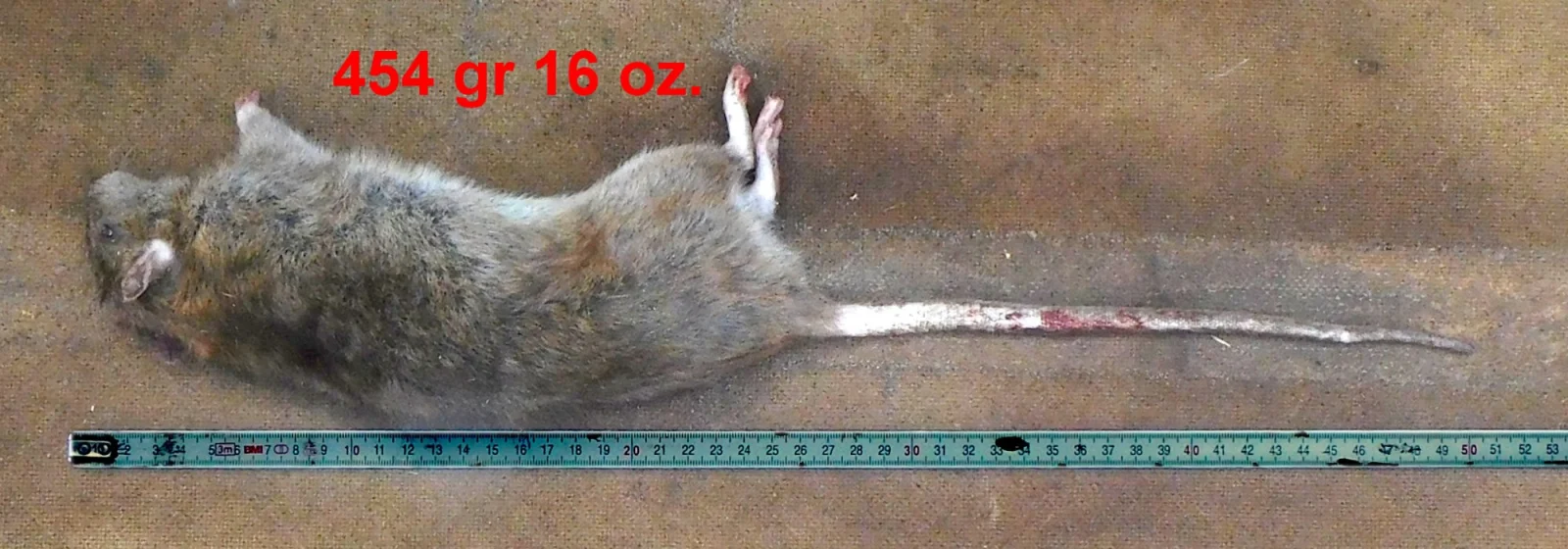
Trapping vs exclusion
| Job | Typical US range | Done when |
|---|---|---|
| Mouse removal (traps) | $150–$550 | Activity stops in the rooms you named |
| Rat trapping | $300–$600 | Same work, larger animals, more stations |
| Removal plus exclusion | $400–$1,400 | Gaps closed, vents screened, door sweeps on |
| Attic cleanup | $600–$1,800 | Droppings and nesting pulled; insulation extra |
If the paper only lists “rodent treatment,” ask which row you are in. Snap traps on a pantry floor are not rodent exclusion.
Close the last hole after activity stops, not before. Animals left in a void chew a new exit or die in the wall. That smell has no appointment window.
What rodent exclusion actually covers
Exclusion is hardware. The technician is looking for a gap a pencil can pass, because a mouse can too.
Walk the same path they walked:
- Garage door side seals and the gap under the man-door
- Dryer and kitchen vents with a loose flap
- Utility penetrations at the sill
- A torn crawl-space screen
- The fascia gap where the roof meets the soffit
A bid that names those openings is a scope. “We will seal the house” is a wish. If you cannot point at three holes after the inspection, you do not have an exclusion job yet.
Rats fail cheaper metals. Ask what they use on the gnawed corner. Do not ask whether they “do exclusion.”
What changes rodent exclusion cost
How many openings, not just square footage. Height: fascia and chimney work needs a ladder day. Droppings in blown-in insulation mean cleanup, then new insulation. Live animals still in a void have to come out before the last hole closes. A second trip if the first pass misses a second entry.
Confirm species first. Mouse droppings and rat droppings are different sizes. Use mouse vs rat droppings if you are unsure. Log nights you heard scratching in the sighting log.
DIY sealing vs a pro
Steel wool in one obvious gap is fine if you also set traps. It is not a roof-line job. Leave chimney caps, live wires, and anything that needs a lift to a licensed operator.
Poison in a wall is a smell you cannot schedule. Prefer traps you can check. When the activity is in the attic or you find grease marks along a joist, get the exclusion quote in writing and run it through the quote checker.